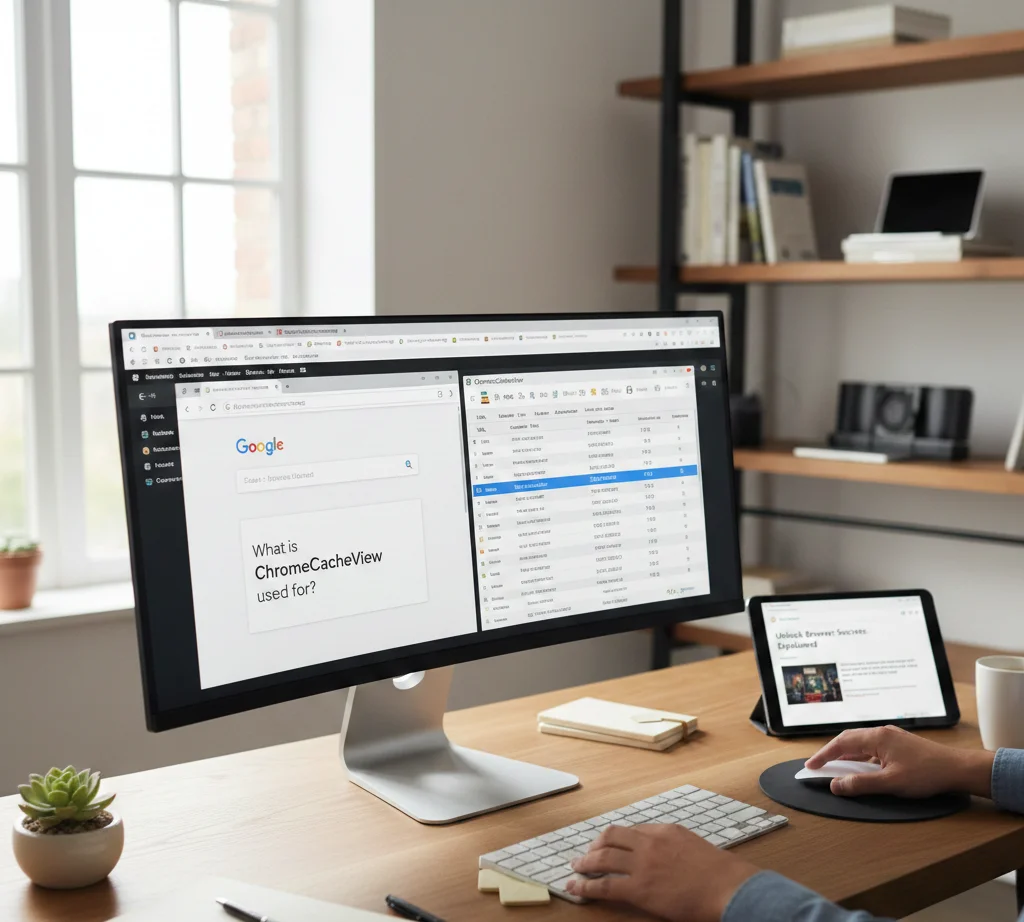
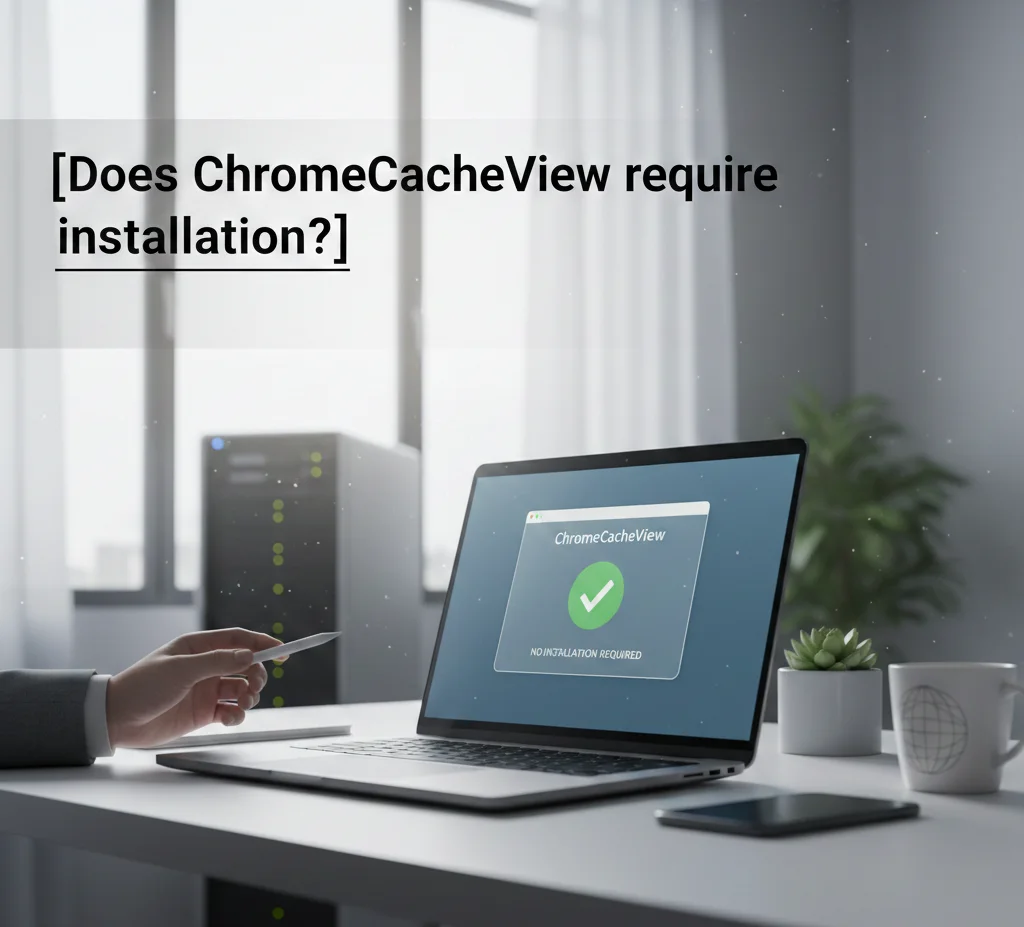
When exploring tools to manage browser data efficiently, many users ask, “Does ChromeCacheView require installation?” ChromeCacheView is designed as a lightweight utility that provides direct access to Google Chrome’s cache files without the need for complex setup. Unlike traditional software, ChromeCacheView operates as a standalone executable, making it convenient for both casual users and IT professionals who need quick insights into cached data.
This means users can run ChromeCacheView immediately after downloading, without modifying system settings or installing additional components. For anyone curious about browser performance, ChromeCacheView offers a portable, installation-free solution.
What is ChromeCacheView?
ChromeCacheView is a lightweight and powerful utility designed to help users access and analyze cached files stored by the Google Chrome browser. Browsers like Chrome temporarily store web files—such as images, scripts, videos, and HTML pages—in a cache folder to enhance browsing speed. ChromeCacheView allows users to view these cached files in an organized and readable format, providing valuable insight into web content that has been previously loaded. Unlike manually searching for cached files, this tool simplifies the process by presenting all data clearly with detailed information.
Key Features and Functionalities
ChromeCacheView comes with multiple features that make cache management straightforward and efficient. It displays cached files with essential details, including file name, URL, content type, file size, and last access time. Users can sort, filter, and export this data for analysis or record-keeping. Additionally, ChromeCacheView supports bulk operations, allowing users to copy selected cached files to another location or export them to CSV, HTML, or text formats. This makes it useful for web developers, digital investigators, and anyone who wants to analyze browsing history efficiently.
Practical Applications
ChromeCacheView is widely used in different scenarios. Web developers and designers use it to retrieve temporary versions of images or scripts that may no longer be available online. Digital forensics professionals can extract evidence from cached files during investigations. Additionally, ordinary users may utilize it to recover accidentally lost media or track previously visited web content. By making the browser cache easily accessible, ChromeCacheView transforms hidden system files into practical, usable resources.
User Interface and Accessibility
The software features a simple, intuitive interface, designed to be accessible even for users with minimal technical knowledge. All cached files are listed in a table format, allowing easy sorting by date, file type, or size. Advanced search and filtering options enable users to quickly locate specific files or URLs. Furthermore, ChromeCacheView is portable and does not require installation, making it convenient to run directly from a USB drive or external storage device without affecting the system’s settings.
Security and Privacy Considerations
While ChromeCacheView provides convenient access to cached files, users should handle the data carefully due to privacy and security concerns. Cached files may contain sensitive information such as login credentials, personal data, or financial information. Therefore, it is crucial to use the tool responsibly and avoid sharing or storing confidential data insecurely. Regularly clearing the browser cache and using secure access methods can help mitigate potential risks while still benefiting from the tool’s capabilities.
Portable vs Installed Applications
Definition of Portable Applications
Portable applications are software programs designed to run without needing installation on a computer. They can be stored on external drives like USB sticks or cloud storage, allowing users to carry their programs and settings wherever they go. Since they don’t modify the system registry or create permanent files in system directories, portable apps provide flexibility, making them ideal for temporary use, testing, or use on multiple computers without leaving traces. Examples include portable web browsers, text editors, and antivirus scanners.
Definition of Installed Applications
Installed applications require a setup process that copies files to specific system directories and often modifies the system registry. This process ensures that the software integrates fully with the operating system, providing seamless access to system resources, shortcuts, and updates. Installed applications are typically more stable and optimized because they can leverage system-specific configurations. Common examples include Microsoft Office, Adobe Photoshop, and large database or design software suites.
Advantages of Portable Applications
Portable applications offer several key benefits. They are easy to use on multiple devices without repeating installation, making them ideal for on-the-go productivity. They are lightweight and generally require less system storage. Additionally, portable apps are safer for trial purposes because they don’t alter system settings or leave residual files. Their portability also allows IT professionals to troubleshoot, run diagnostics, or use specialized tools without affecting the host system. This makes them particularly attractive for students, travelers, and remote workers.
Advantages of Installed Applications
Installed applications provide deeper integration with the operating system, which allows for better performance, access to system libraries, and automatic updates. They often include advanced features that may not be available in portable versions. Installed apps can create backups, interact with other programs, and utilize more system resources effectively. They are ideal for long-term usage, heavy-duty tasks, or professional environments where reliability, security, and feature completeness are critical. Installed software also benefits from official support and patches, enhancing stability over time.
Key Considerations When Choosing Between Portable and Installed
Choosing between portable and installed applications depends on user needs. For mobility, temporary usage, or minimal system impact, portable apps are preferable. For long-term, resource-intensive, or professional use, installed applications are more suitable. Security, updates, and integration with other software are also important factors. Users must weigh convenience against functionality, considering how often they switch devices, the importance of system performance, and whether they require advanced features. Ultimately, the choice reflects a balance between flexibility and comprehensive usability.
Installation Requirement of ChromeCacheView
System Compatibility
Before installing ChromeCacheView, it is essential to ensure that your computer meets the minimum system requirements. ChromeCacheView is designed to run on Windows operating systems, including Windows 7, 8, 10, and 11. Users should verify their OS version and ensure it is up-to-date with the latest service packs and security updates. Proper system compatibility guarantees smooth operation and prevents potential errors during installation or while accessing cached data from Google Chrome.
Google Chrome Installation
ChromeCacheView relies on the cached files generated by Google Chrome. Therefore, having an installed and functioning Chrome browser is a mandatory prerequisite. Users should make sure that Chrome is updated to the latest version to ensure that the cache format is compatible with ChromeCacheView. This requirement ensures accurate reading and extraction of cached files, including images, videos, scripts, and other web resources.
Administrator Privileges
In some cases, installing or running ChromeCacheView may require administrative privileges, especially when accessing Chrome’s cache from system-protected directories. Having administrator rights ensures the tool can read all necessary cache folders without encountering permission issues. Users should confirm they have sufficient privileges or seek help from their system administrator to avoid restricted access errors.
Disk Space and Storage Access
While ChromeCacheView is lightweight, accessing large cache folders may require sufficient disk space. Users should ensure that their system has enough free storage to handle the temporary storage of cache files that the application reads. Additionally, proper access to storage drives is crucial; the tool must be able to read from the Chrome cache location, which is typically in the user profile directory. Without proper access, cache extraction may fail.
Optional Software Dependencies
Although ChromeCacheView is mostly a standalone application, some features may benefit from additional software such as .NET Framework or specific runtime libraries on older Windows systems. Installing these optional dependencies can improve stability and performance, particularly on legacy systems. Users are advised to consult the official documentation for any recommended frameworks to ensure full functionality of the software.
How to Download ChromeCacheView
ChromeCacheView is a lightweight, user-friendly tool designed to access and manage the cached files stored by Google Chrome. These cache files contain images, scripts, videos, and other web content that Chrome temporarily saves to improve browsing speed. Downloading ChromeCacheView allows users, IT professionals, and developers to view, extract, or analyze cached files efficiently without manually digging through Chrome’s system folders. Understanding the download process ensures a safe installation and proper use of this powerful utility.
Checking System Compatibility
Before downloading ChromeCacheView, it is essential to verify that your system meets the software requirements. ChromeCacheView is compatible with most Windows operating systems, including Windows 7, 8, 10, and 11. It works with both 32-bit and 64-bit systems, but users must select the correct version for their PC. Additionally, ensuring that your system has the latest updates and security patches will help avoid installation conflicts and maintain optimal performance.
Visiting the Official Website
To ensure a safe and secure download, always visit the official NirSoft website, the developer of ChromeCacheView. Downloading from unauthorized sources may risk malware or corrupted files. On the official site, you will find clear links to the latest version of ChromeCacheView, along with detailed descriptions, file sizes, and change logs. Reading the provided notes and instructions can help users understand the tool’s features and prepare for installation.
Downloading and Extracting the File
ChromeCacheView is distributed as a compressed ZIP file. Once you click the download link, save the file to a preferred location on your computer. After the download is complete, locate the ZIP file and extract its contents using built-in Windows extraction tools or third-party software like WinRAR or 7-Zip. The extracted folder will contain the executable file (ChromeCacheView.exe), a readme file, and other supporting documentation necessary for the tool’s operation.
Running and Accessing ChromeCacheView
ChromeCacheView is a portable application, meaning it does not require installation. Simply double-click the ChromeCacheView.exe file from the extracted folder to launch the program. Upon opening, the tool automatically scans Chrome’s cache and displays a detailed list of stored files, including file names, types, sizes, URLs, and last accessed dates. Users can sort, search, or export these cache files according to their needs, making it an essential utility for data recovery, troubleshooting, and analysis.
Running ChromeCacheView Without Installation
ChromeCacheView is a lightweight utility that allows users to view the cached files of Google Chrome. One of its most convenient features is that it can be run in a portable mode, meaning it does not require traditional installation. This makes it ideal for users who want to analyze browser cache on multiple computers without altering system settings or leaving residual files behind. Portable applications like ChromeCacheView are especially useful in environments with restricted user permissions.
Downloading the Portable Version
To run ChromeCacheView without installation, you first need the portable version. This is usually available in a compressed ZIP file from the official developer website or trusted software repositories. After downloading, the file can be extracted to any folder on your computer, external hard drive, or USB stick. Unlike standard software, this process does not modify system registries, making the tool fully self-contained and easy to transport.
Extracting and Preparing Files
Once downloaded, extract the ZIP file using built-in tools in Windows or third-party extraction software. After extraction, you will find the executable file along with supporting libraries required to run ChromeCacheView. It is recommended to keep all the extracted files together in a dedicated folder to ensure the application runs smoothly. This structure also allows you to move the entire folder to different devices without needing to reinstall.
Running the Application
To launch ChromeCacheView without installation, simply double-click the executable file in the extracted folder. The application opens immediately, providing access to the cache data of the Google Chrome browser installed on the system. Because it runs directly from the executable, no setup wizards or installation prompts are needed. Users can immediately begin sorting, viewing, or exporting cached files for analysis or backup purposes.
Advantages of Using ChromeCacheView Without Installation
Running ChromeCacheView in portable mode offers multiple benefits:
- Mobility: You can carry it on USB drives and use it on any compatible computer.
- No Administrative Rights Needed: Ideal for workplace or public computers where installation is restricted.
- Clean Usage: Leaves no traces in the Windows registry or system folders.
- Quick Access: Faster to start as it doesn’t involve installation steps.
Safe Experimentation: Users can test or analyze browser caches without affecting the existing system configuration.
Conclusion
ChromeCacheView does not require a traditional installation, making it a lightweight and portable tool for users. Its standalone design allows immediate use by simply downloading and running the executable file, eliminating the need for system modifications or administrative privileges. This ease of access ensures quick retrieval and analysis of Chrome’s cache data, providing efficiency and convenience. Consequently, users benefit from a hassle-free, ready-to-use utility that simplifies browser cache management without installation complexities.